Is It Time to Replace Your HVAC System? Key Factors to Consider
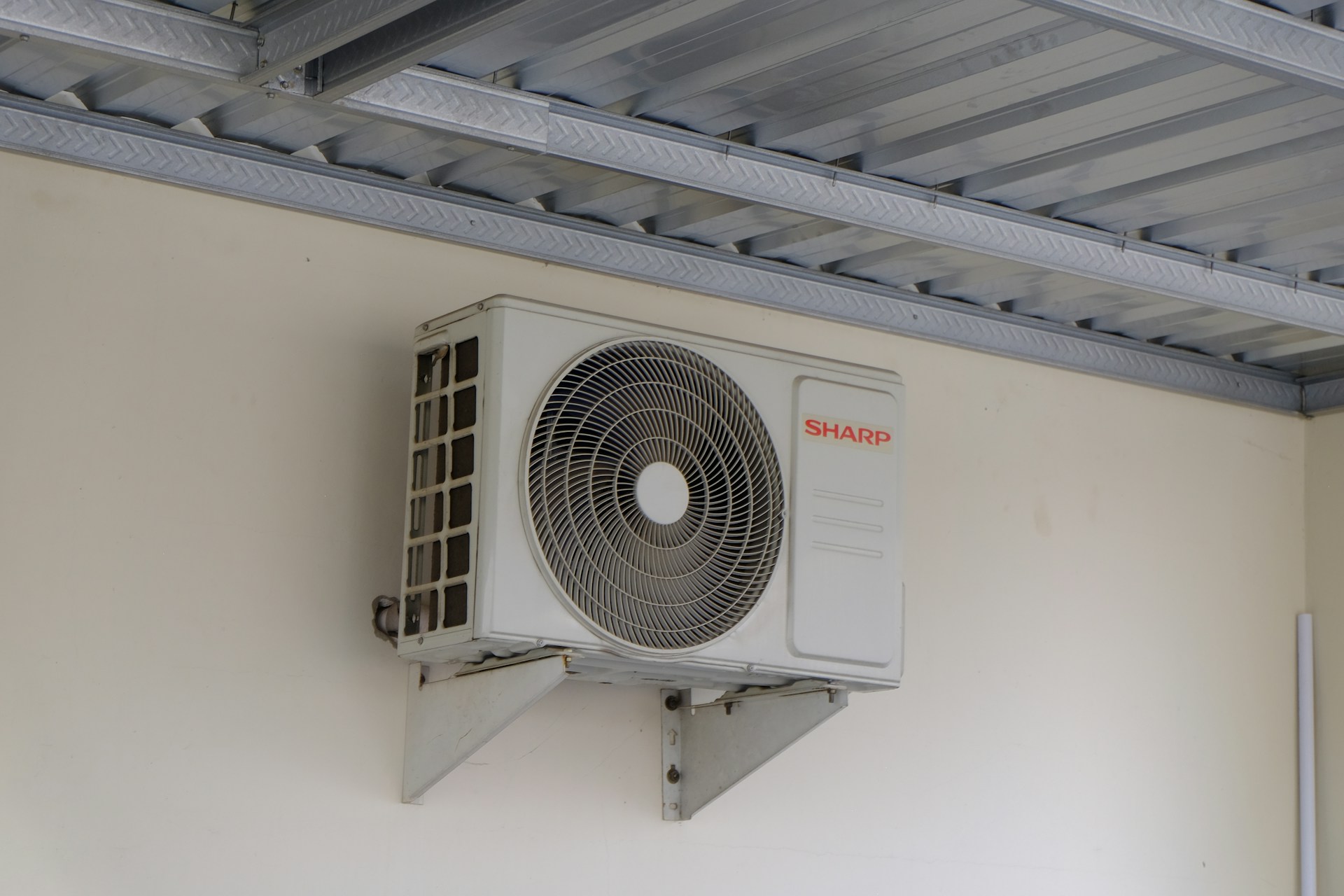
Your HVAC system hums in the background day after day, pushing warm or cool air through vents while you focus on everything else. Yet once it starts faltering, comfort slips quickly and expenses creep upward. Many homeowners first explore quick remedies, from filter swaps to duct servicing using the best air duct cleaning equipment, hoping to restore peak airflow without a major investment. Sometimes that works. Other times, deeper mechanical fatigue is the real culprit. Knowing the tipping point between repair and replacement can prevent financial drain and seasonal discomfort. Instead of waiting for a total breakdown, it is smarter to study warning signs early and weigh long-term performance against short-term fixes.
System Age and Lifespan

Every HVAC system has a lifespan. Air conditioners and heat pumps typically last 10–15 years, while furnaces may extend slightly longer with proper care. If your system is approaching this range, replacement deserves serious evaluation. Older units operate on outdated efficiency standards. Even if they still function, they often consume more electricity or gas than newer models. Internal parts degrade gradually, and performance declines in subtle ways before dramatic failure occurs. If your system is over a decade old and repair calls are increasing, you may be pouring money into equipment already past its prime. Modern HVAC systems feature improved compressors, variable-speed motors, and advanced thermostat compatibility. These upgrades translate into lower energy usage and steadier indoor temperatures. Age alone does not demand replacement, but it strongly influences the cost-benefit equation.
Escalating Energy Bills
One of the clearest signs of HVAC deterioration is a steady climb in utility costs. If your household habits remain consistent but your monthly bills increase, your system may be laboring harder than it should. As components wear out, efficiency drops. The unit runs longer cycles to achieve the same indoor temperature. Small inefficiencies compound, creating noticeable financial impact across seasons. While minor repairs can restore partial performance, a persistently inefficient system will continue draining resources. Compare energy statements from the past three to five years. A marked upward pattern often signals that replacement could deliver meaningful savings. Though installation costs may seem high initially, reduced monthly expenses can offset that investment over time.
Frequent Repairs and Part Failures

Occasional service calls are normal. However, repeated breakdowns suggest structural fatigue within the system. Compressor issues, refrigerant leaks, or motor failures can become recurring headaches. If a single repair costs a substantial portion of a new unit’s price, replacement may be the wiser path. Continual patchwork fixes create uncertainty and inconvenience, especially during extreme temperatures. Reliability matters in both summer heat and winter chill. Another factor involves discontinued parts. Older systems sometimes rely on components that are difficult to source. Repair timelines stretch longer, and costs increase due to scarcity. Instead of repeatedly reviving an aging machine, upgrading to a modern system can restore consistent operation and reduce service interruptions.
Uneven Temperatures and Weak Airflow
Hot and cold spots around the house often indicate deeper performance issues. If certain rooms remain stuffy while others feel comfortable, airflow distribution may be compromised. In some cases, duct cleaning and sealing can improve circulation. Professional services like Duct Pro Systems specialize in optimizing airflow and improving duct condition, which may extend equipment life. However, if airflow problems persist even after servicing, the central unit itself could be underperforming. Worn blowers, outdated design, or improper system sizing can cause chronic imbalance. New HVAC systems offer improved zoning capabilities and stronger airflow management. If uneven temperatures have become routine rather than occasional, replacement should move higher on your priority list.
Declining Indoor Air Quality

Your HVAC system influences more than temperature; it affects the air you breathe. Excess dust buildup, persistent humidity imbalance, musty odors, or aggravated allergies may indicate inadequate filtration or ventilation. While upgrading filters and cleaning ducts can help, older systems often lack compatibility with advanced air purification technologies. Modern units integrate enhanced filtration, humidity control, and ventilation improvements that promote healthier indoor conditions. If your home consistently feels stale or damp despite maintenance efforts, the issue may stem from aging equipment that no longer circulates and filters air effectively. Replacing the system can significantly improve air freshness and overall comfort.
Determining whether to replace your HVAC system involves assessing age, energy consumption, repair frequency, airflow performance, and indoor air quality. While maintenance and duct servicing can extend system life, persistent inefficiency and repeated mechanical failures often indicate that replacement is the smarter investment. A modern HVAC system can lower monthly expenses, deliver steadier temperatures, and promote cleaner indoor air. By examining long-term value rather than focusing solely on immediate costs, homeowners can make a confident decision that improves comfort and financial balance for years ahead.…



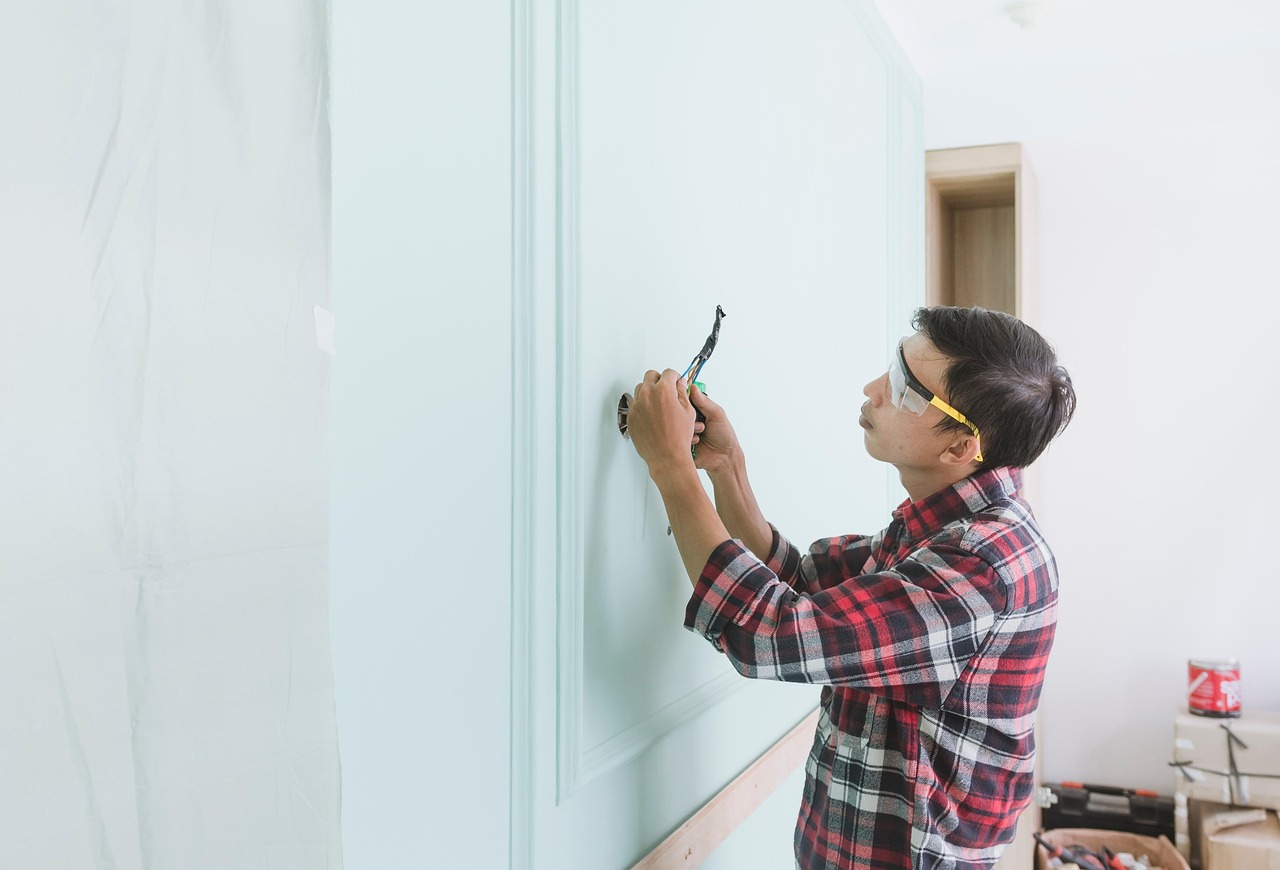
 Air duct cleaning is often overlooked but plays a vital role in maintaining a healthy home environment. Over time, dust, allergens, and even mold can accumulate in your air ducts. This buildup not only affects indoor air quality but also forces your HVAC system to work harder. Attempting to clean these ducts yourself can be tricky. Without the right equipment or knowledge, you might miss crucial areas or damage the ductwork.
 Roof repairs and inspections are tasks best suited for professionals. The roof is your home’s first line of defense against the elements. One small issue can become a major problem if left unattended. Climbing up on a roof requires skill and safety precautions that most homeowners aren’t equipped for. A misstep could lead to injury or even worse consequences.




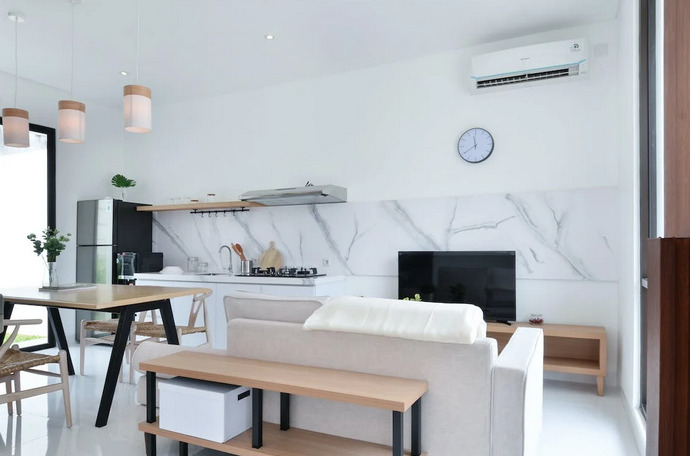

 You may have heard of air conditioning from LG and how their technology has revolutionized the way we cool our homes. LG has created a range of air conditioning solutions that combine innovative engineering and design with energy-efficient performance. From wall-mounted units to ductless, multi-zone systems, LG’s air conditioning solutions are designed to meet the needs of any space.


 The first thing that you should do when performing due diligence on a potential
  When performing due diligence on a potential home purchase, one of the most important things to do is to investigate the title documents. This means that you should order a title search to ensure that there are no outstanding liens or encumbrances on the property. You should also request a copy of the deed to verify that the seller is the rightful owner of the property. As you can see, there are some different things that you need to keep in mind when performing due diligence on a potential home purchase.
 One of the first things you should consider when buying a house is its renovation potential. This is especially important if you’re not planning to move anytime soon. After all, you’ll want to be able to make changes and improvements over time. And if the property has good bones, it will be easier (and less costly) to do so. To get a sense of a property’s renovation potential, look closely at its layout and condition. Is the floor plan open and spacious? Are the walls in good condition? These are just some of the things to keep in mind.
 The size of your future home is important for several reasons. You must ensure that all your belongings will fit comfortably inside. You’ll want to consider the amount of storage space available. If you have a lot of things, or if you plan on accumulating more over time, you’ll need a home with plenty of storage. The size of your home will impact your energy bills. The larger the space, the more heat you’ll need to generate in winter and cool in summer. This can add up quickly, so be sure to factor utility costs into your budget. Think about the future when choosing the size of your home. If you plan on starting a family, you’ll need extra bedrooms and bathrooms.
 One of the best benefits of installing a handmade stove cover is that it keeps your kitchen clean. Stove covers help to keep the spills and messes off of your stovetop. It makes cleaning up your kitchen much more accessible.
 Installing a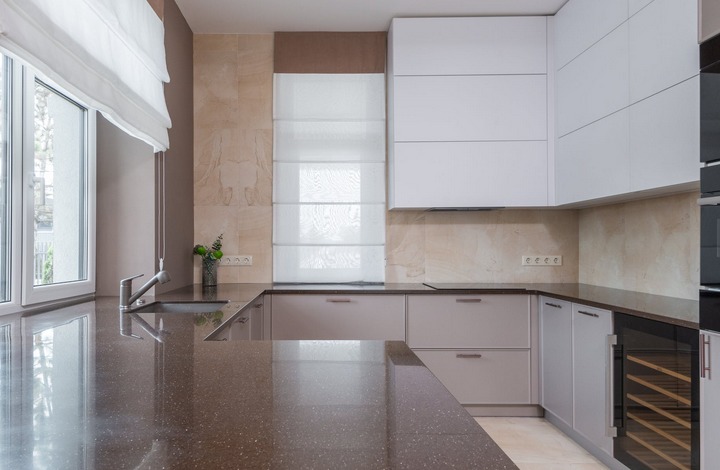
 Measure the area of your kitchen where you will install a countertop. It is vital because not all materials are installed in the same way. For example, you must glue down solid surface material with adhesive; it cannot just slide onto a place like granite or marble. Also, an electrician might need to be involved in your kitchen is not already wired for plugs and appliances.
 Another thing to consider is to use a countertop sealant to protect your new material from water damage. You must use the right kind of sealer for whatever type of material you’re installing in your kitchen! Also, follow the manufacturer’s instructions on how long it should be left before applying any other layers or materials over it. If you’re installing a concrete countertop, you need to mix the sealer with the cement before installation. If your kitchen has wood cabinets and trims that you want to blend with the new material of your choice, then use paintable caulk on them so they’ll match better!
 One of the main benefits of taking a manual handling course is that it raises awareness about this topic. In many cases, employees are not aware they may be placing themselves at risk for injury by performing specific tasks incorrectly. They may also not realize that they are putting their co-workers in danger. After taking the course, workers will understand how to lift correctly and where potential hazards exist with equipment or tools to avoid them. The course educates them on proper methods and techniques to prevent injuries from occurring in the future.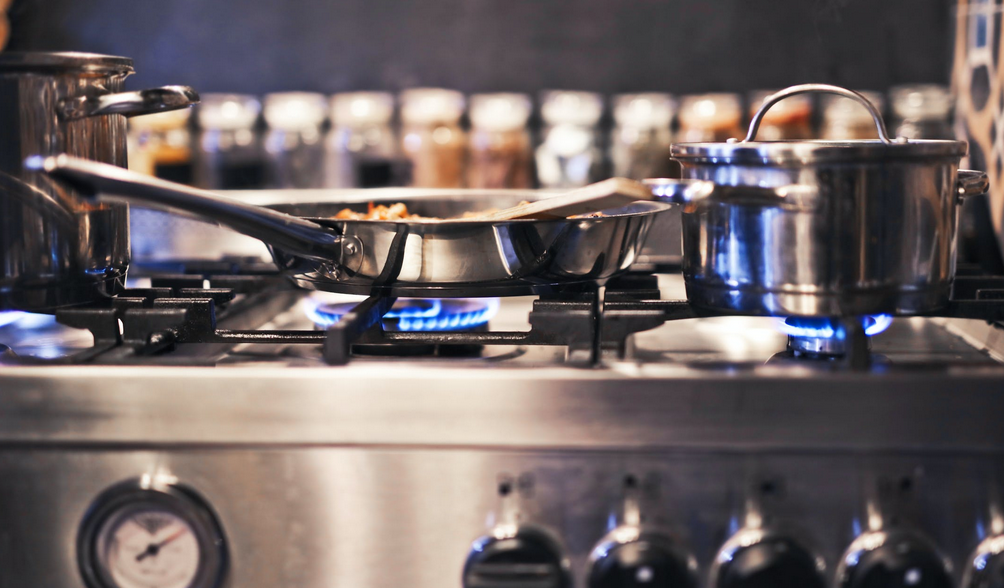
 As many people know, the are numerous manufactures making gas stoves; this is because of the demand for these appliances. The first thing you should consider before buying any gas stove is the brand. The brand you buy from will be crucial in determining the reliability of a stove. Everyone deserves to spend money on a gas stove that will serve them well.
 Apart from the brand, you should consider asking others for their opinions on the best gas stove to buy. You can ask your friends, family members, and even other homeowners near you. Some people do not bother asking around before buying something.