
Is It Time to Replace Your HVAC System? Key Factors to Consider
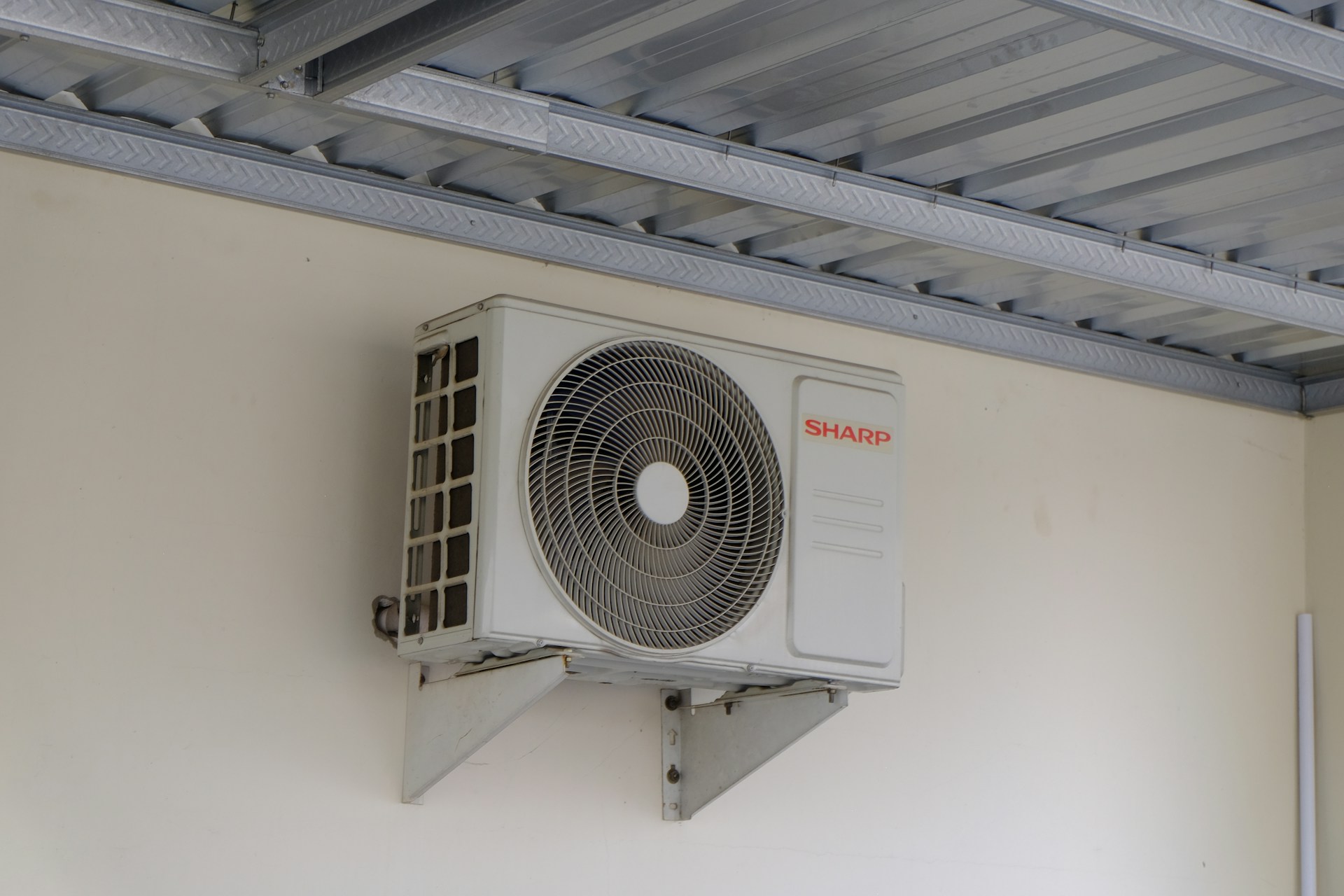
Your HVAC system hums in the background day after day, pushing warm or cool air through vents while you focus on everything else. Yet once it starts faltering, comfort slips quickly and expenses creep upward. Many homeowners first explore quick remedies, from filter swaps to duct servicing using the best air duct cleaning equipment, hoping to restore peak airflow without a major investment. Sometimes that works. Other times, deeper mechanical fatigue is the real culprit. Knowing the tipping point between repair and replacement can prevent financial drain and seasonal discomfort. Instead of waiting for a total breakdown, it is smarter to study warning signs early and weigh long-term performance against short-term fixes.
System Age and Lifespan

Every HVAC system has a lifespan. Air conditioners and heat pumps typically last 10–15 years, while furnaces may extend slightly longer with proper care. If your system is approaching this range, replacement deserves serious evaluation. Older units operate on outdated efficiency standards. Even if they still function, they often consume more electricity or gas than newer models. Internal parts degrade gradually, and performance declines in subtle ways before dramatic failure occurs. If your system is over a decade old and repair calls are increasing, you may be pouring money into equipment already past its prime. Modern HVAC systems feature improved compressors, variable-speed motors, and advanced thermostat compatibility. These upgrades translate into lower energy usage and steadier indoor temperatures. Age alone does not demand replacement, but it strongly influences the cost-benefit equation.
Escalating Energy Bills
One of the clearest signs of HVAC deterioration is a steady climb in utility costs. If your household habits remain consistent but your monthly bills increase, your system may be laboring harder than it should. As components wear out, efficiency drops. The unit runs longer cycles to achieve the same indoor temperature. Small inefficiencies compound, creating noticeable financial impact across seasons. While minor repairs can restore partial performance, a persistently inefficient system will continue draining resources. Compare energy statements from the past three to five years. A marked upward pattern often signals that replacement could deliver meaningful savings. Though installation costs may seem high initially, reduced monthly expenses can offset that investment over time.
Frequent Repairs and Part Failures

Occasional service calls are normal. However, repeated breakdowns suggest structural fatigue within the system. Compressor issues, refrigerant leaks, or motor failures can become recurring headaches. If a single repair costs a substantial portion of a new unit’s price, replacement may be the wiser path. Continual patchwork fixes create uncertainty and inconvenience, especially during extreme temperatures. Reliability matters in both summer heat and winter chill. Another factor involves discontinued parts. Older systems sometimes rely on components that are difficult to source. Repair timelines stretch longer, and costs increase due to scarcity. Instead of repeatedly reviving an aging machine, upgrading to a modern system can restore consistent operation and reduce service interruptions.
Uneven Temperatures and Weak Airflow
Hot and cold spots around the house often indicate deeper performance issues. If certain rooms remain stuffy while others feel comfortable, airflow distribution may be compromised. In some cases, duct cleaning and sealing can improve circulation. Professional services like Duct Pro Systems specialize in optimizing airflow and improving duct condition, which may extend equipment life. However, if airflow problems persist even after servicing, the central unit itself could be underperforming. Worn blowers, outdated design, or improper system sizing can cause chronic imbalance. New HVAC systems offer improved zoning capabilities and stronger airflow management. If uneven temperatures have become routine rather than occasional, replacement should move higher on your priority list.
Declining Indoor Air Quality

Your HVAC system influences more than temperature; it affects the air you breathe. Excess dust buildup, persistent humidity imbalance, musty odors, or aggravated allergies may indicate inadequate filtration or ventilation. While upgrading filters and cleaning ducts can help, older systems often lack compatibility with advanced air purification technologies. Modern units integrate enhanced filtration, humidity control, and ventilation improvements that promote healthier indoor conditions. If your home consistently feels stale or damp despite maintenance efforts, the issue may stem from aging equipment that no longer circulates and filters air effectively. Replacing the system can significantly improve air freshness and overall comfort.
Determining whether to replace your HVAC system involves assessing age, energy consumption, repair frequency, airflow performance, and indoor air quality. While maintenance and duct servicing can extend system life, persistent inefficiency and repeated mechanical failures often indicate that replacement is the smarter investment. A modern HVAC system can lower monthly expenses, deliver steadier temperatures, and promote cleaner indoor air. By examining long-term value rather than focusing solely on immediate costs, homeowners can make a confident decision that improves comfort and financial balance for years ahead.
